An awareness campaign is easy to launch and remarkably difficult to make matter. Anyone can organize an event, post a hashtag, or distribute a pamphlet. The much harder question the one most campaigns quietly fail to answer is whether any of it actually changes behavior, shifts attitudes, or builds lasting social cohesion once the cameras leave and the crowd disperses.
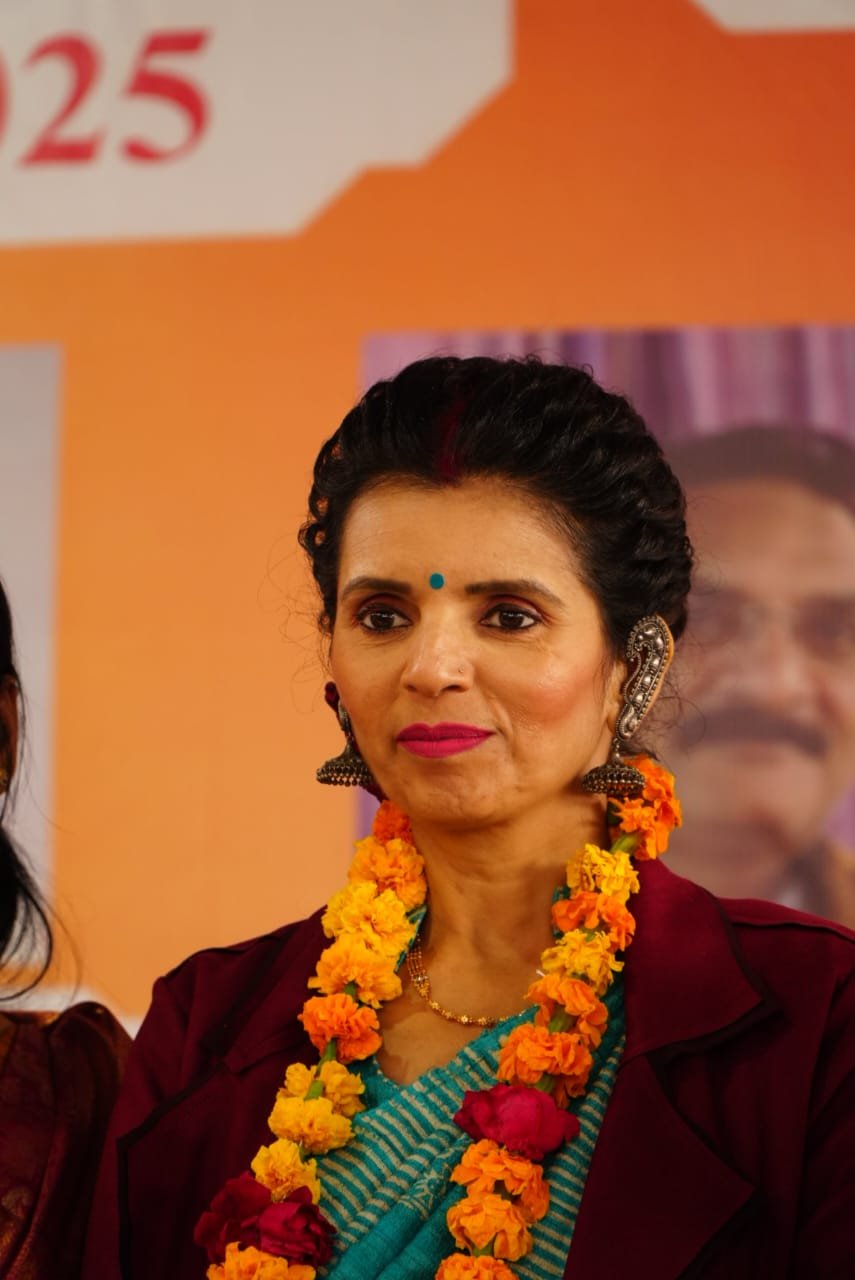
The Sanatan Sanskrutik Sangh (SSS), led by Haripriyaa Bharggav, has run an unusually dense calendar of awareness campaigns over a relatively short window: 25 major events in the past year and a half alone. What makes this body of work worth examining isn’t just its scale, but its structure: each campaign is designed around a specific social outcome, not just visibility. This blog looks closely at what those outcomes actually are, how SSS measures social impact beyond attendance figures, and why this campaign model offers useful lessons for anyone thinking seriously about awareness-driven social change in 2026.
Why Most Awareness Campaigns Fail to Create Real Impact
Before examining what works, it’s worth naming what typically doesn’t. Awareness campaigns across sectors health, environment, social justice frequently fall into a few recurring traps:
Awareness without action pathways. A campaign can successfully inform people about an issue while giving them absolutely nothing concrete to do about it, resulting in emotional engagement that dissipates without behavioral change.
One-off virality without follow-through. A campaign moment goes viral, generates a news cycle, and then evaporates with no institutional infrastructure to sustain the momentum it briefly generated.
Top-down messaging without community ownership. Campaigns designed and executed entirely by outside organizers, without genuine community participation, often fail to produce lasting attitude change because the message is received as external rather than owned.
Impact measured only in reach, not outcome. Attendance numbers, impressions, and social media engagement are frequently mistaken for impact itself, when they are, at best, leading indicators necessary but not sufficient evidence that anything actually changed.
SSS’s campaign model is instructive precisely because it appears to have been built, deliberately or through experience, to avoid most of these traps.
The Campaign Portfolio: A Structural Overview
Rather than examining SSS’s campaigns as a scattered list of religious events, it’s more useful to categorize them by the specific social outcome each is designed to produce. Broadly, SSS’s awareness work clusters into five categories:
- Interfaith and national unity campaigns (Sanatan Ekta Yatra, Moksh Lakshi Sammelan)
- Women’s empowerment and participation campaigns (Sanatan Kalash Yatra, Samuhik Matrushakti Anushthan, Samuhik Mahila Kalash Yatra)
- Health and education outreach campaigns (Garibo ke Shikshan evam Swasthya Abhiyan, Vaidik Pathshala Aarambh Samaroh)
- Environmental and animal welfare campaigns (Nirmal Ganga Safai Abhiyan, Gau Shala Sthapan Samaroh, Pakshi Suraksha Abhiyan, Gau Mata Suraksha Abhiyan)
- Cultural pride and solidarity campaigns (Ayodhya Raksha Yatra, Sanatan Raksha Yatra, Samuhik Sanatani Sauhar Bangladesh Protest)
Examining each category reveals distinct social impact mechanisms and distinct ways SSS attempts to convert visibility into durable change.
Category 1: Interfaith Unity Campaigns and Their Social Cohesion Impact
The Sanatan Ekta Yatra, traveling from Lalitpur to Jhansi, and the Moksh Lakshi Sammelan, convening Gurus from Vedic, Jain, Buddhist, and Sikh traditions, represent SSS’s most ambitious social cohesion interventions. Their intended social impact isn’t simply “increased religious pride”; it’s a measurable reduction in inter-community friction and increased cross-tradition dialogue infrastructure.
The social impact logic here draws on a well-established finding in conflict resolution and peacebuilding literature: contact and shared ritual experience between different community groups tends to reduce prejudice and build trust more effectively than messaging campaigns alone. By physically gathering saints and scholars across four major dharmic traditions in structured deliberation, as the Moksh Lakshi Sammelan did, SSS creates exactly the kind of high-trust, high-visibility contact event that peacebuilding research suggests produces durable attitude shifts, not just temporary goodwill.
The involvement of public figures like Mukesh Khanna and Asrani in the Sanatan Ekta Yatra also illustrates a deliberate amplification strategy using recognizable cultural figures to extend campaign reach and credibility beyond SSS’s existing community base, a technique increasingly recognized in behavior change communication research as significantly more effective than anonymous institutional messaging.
Category 2: Women’s Empowerment Campaigns and Measurable Participation Metrics
SSS’s women-centered campaigns offer some of the clearest quantifiable social impact indicators in its entire portfolio. The Samuhik Mahila Kalash Yatra at Maha Kumbh 2024 mobilized over 5,000 women in collective participation, a number significant not just for its scale, but for what it represents structurally: a large-scale demonstration of women’s collective organizing capacity, occurring within one of the world’s most-watched religious gatherings.
The Samuhik Matrushakti Anushthan similarly centered women’s collective ritual participation as a form of social visibility campaigning, making women’s spiritual leadership and community organizing capacity publicly visible in a way that reinforces, rather than merely states, an empowerment message. This distinction matters: a campaign that tells people women are empowered is far weaker than a campaign that demonstrates thousands of women organizing, mobilizing, and leading collectively.
From a social impact standpoint, campaigns of this kind tend to produce measurable secondary effects well-documented in gender and development literature: increased willingness among other women in participating communities to engage in public or leadership roles, simply through exposure to visible peer models doing so. This “role model effect” is one of the more evidence-backed mechanisms through which large-scale participatory campaigns translate into longer-term behavioral shifts.
Category 3: Health and Education Campaigns: Direct, Trackable Outcomes
Unlike more symbolic cultural campaigns, SSS’s health and education outreach work under the umbrella of “Garibo ke Shikshan evam Swasthya ke Kai Abhiyan” produces some of the most directly trackable social impact of any initiative in its portfolio. Free medical camps and literacy drives generate outcomes that can be measured in concrete terms: number of people screened or treated, literacy program enrollment, skill workshop completion rates.
This category matters for a broader reason too: it demonstrates that SSS’s awareness work isn’t purely symbolic or ritual-based. The Vaidik Pathshala Aarambh Samaroh, marking the launch of educational institutions teaching Vedic knowledge, Sanskrit, and dharmic ethics, represents campaigns explicitly designed to leave behind permanent institutional infrastructure, not just a memorable event. This is a critical distinction in social impact measurement: campaigns that establish lasting institutions (schools, health infrastructure) produce compounding impact over years, while purely event-based campaigns typically see impact decay rapidly after the event concludes.
Category 4: Environmental Campaigns and Behavior Change Communication
SSS’s environmental campaigns the Nirmal Ganga Safai Abhiyan, Gau Shala Sthapan Samaroh, Pakshi Suraksha Abhiyan, and Gau Mata Suraksha Abhiyan offer a particularly interesting case study in behavior change communication strategy, because they deliberately avoid framing environmentalism as an externally imposed obligation.
Instead, these campaigns frame ecological action as direct expressions of pre-existing spiritual values, protecting Gau Mata (the sacred cow), maintaining river purity, and safeguarding bird life as documented Sanatan responsibilities rather than newly adopted causes. This framing choice has real behavioral science backing: research on environmental messaging consistently shows that appeals rooted in existing identity and values produce more durable behavior change than appeals based on external scientific consensus alone, particularly among audiences who might otherwise perceive environmentalism as a foreign or elite concern disconnected from their own lives.
The measurable social impact of these campaigns includes concrete outputs: established cow shelters providing ongoing animal welfare infrastructure, cleaned and maintained ghat areas along the Ganga, and community-level shifts in awareness around ecological responsibility, but their more significant long-term impact may be attitudinal: normalizing environmental consciousness as an expression of cultural identity rather than a competing value system to be adopted reluctantly.
Category 5: Cultural Pride and Solidarity Campaigns Impact Beyond Borders
The Ayodhya Raksha Yatra, Sanatan Raksha Yatra, and Samuhik Sanatani Sauhar Bangladesh Protest represent a distinct campaign category focused on cultural solidarity and advocacy, extending SSS’s social impact ambitions beyond community-level outcomes into broader civic and even international advocacy territory.
The Bangladesh solidarity protest, specifically, illustrates how SSS’s awareness campaigns can function as advocacy journalism-adjacent activity, raising public awareness about the situation of persecuted dharmic communities abroad, a topic that might otherwise receive limited domestic media attention. The social impact here is less about immediate, measurable behavioral outcomes and more about agenda-setting, a well-documented media and communication effect where sustained public attention to an issue increases its visibility in broader public and policy discourse over time.
The Press Conference: Institutionalizing Accountability and Transparency
Among SSS’s less visually dramatic but structurally important campaigns is its Press Conference initiative, a deliberate choice to communicate mission and achievements directly to journalists and social leaders, rather than relying purely on internal community messaging or social media amplification.
This matters for social impact measurement because it reflects an institutional commitment to public accountability. Organizations that voluntarily submit their work to journalistic scrutiny, rather than only communicating through controlled internal channels, signal a different level of institutional maturity one increasingly expects of civil society organizations navigating growing public skepticism toward unaccountable social and religious movements.
Measuring What Actually Matters: A Framework for Campaign Impact
Drawing on SSS’s campaign portfolio, several dimensions emerge as genuinely useful metrics for evaluating awareness campaign social impact, offering a template relevant well beyond SSS’s own work:
- Participation Scale and Diversity: Not just headcount, but the diversity of communities represented (as with cross-tradition participation in the Sanatan Ekta Yatra).
- Institutional Permanence: Whether a campaign leaves behind lasting infrastructure (Vaidik Pathshalas, Gau Shalas) versus disappearing after the event concludes.
- Direct Service Delivery Outcomes: Concrete, trackable numbers: people treated in medical camps, laddus distributed (50,000 during the Ayodhya Temple inauguration), literacy program enrollments.
- Role Model and Peer Effect Generation: Whether the campaign visibly demonstrates behavior (like women’s collective leadership) in ways likely to influence broader community norms.
- Media and Agenda-Setting Reach: Whether the campaign generates sustained public discourse attention, particularly on issues that might otherwise receive limited coverage.
- Cross-Campaign Reinforcement: Whether individual campaigns build cumulative momentum toward a larger mission (SSS Bharat), rather than existing as isolated, disconnected initiatives.
This last point may be the most important structural insight from SSS’s model: no single campaign is expected to carry the full weight of social transformation. Instead, campaigns are designed to reinforce each other cumulatively: cultural pride campaigns build the emotional foundation for unity campaigns, unity campaigns build trust that supports health and education outreach, and health and education outreach builds the community goodwill that sustains long-term institutional projects like TVDP.
Why This Matters in the Current Awareness Campaign Landscape
Several current trends make SSS’s campaign approach particularly instructive:
- Growing Skepticism of “Slacktivism”: As audiences increasingly distinguish between performative online awareness (hashtags, viral posts with no follow-through) and genuine action, campaigns that pair visibility with concrete service delivery like SSS’s health camps and institutional building stand out as substantively different.
- The Rise of Community-Owned Movements: There’s increasing recognition across social impact sectors that externally imposed awareness campaigns underperform community-owned, culturally resonant ones precisely the model SSS employs by rooting campaigns in existing spiritual and cultural identity rather than imported frameworks.
- Demand for Measurable Social Impact: As donors, communities, and the public increasingly demand accountability from social organizations, SSS’s blend of symbolic cultural events and concrete service delivery metrics (medical camps, literacy programs, institutional establishment) offers a template for balancing narrative power with measurable outcomes.
- Interfaith and Social Cohesion as Global Priorities: With social polarization a widely discussed global concern, campaigns explicitly designed around cross-community trust-building like the Moksh Lakshi Sammelan engage directly with one of the most urgently needed forms of contemporary social impact work.
Conclusion: Campaigns That Compound, Not Just Campaigns That Trend
The real test of any awareness campaign isn’t how many people show up, how many views a reel receives, or how much media coverage a single event generates. It’s whether, months or years later, something has genuinely changed: a shelter still standing, a school still teaching, a community that trusts its neighbors a little more than it used to, a young woman who felt permission to lead because she once saw five thousand others do the same.
Sanatan Sanskrutik Sangh’s portfolio of Sanatan Dharma awareness campaigns, built under Haripriyaa Bharggav‘s leadership, offers a genuinely useful case study in designing awareness work for compounding, durable social impact rather than isolated viral moments. By combining interfaith unity building, women’s empowerment, health and education service delivery, environmental stewardship, and cultural solidarity advocacy into one cumulative, reinforcing campaign ecosystem, SSS demonstrates what it looks like when awareness campaigns are built not just to be seen but to actually leave something behind.