Indian cinema has just had its most profitable year ever, and fewer Indians bought tickets. That contradiction captures where the industry stands in 2026. Revenues are rising, audiences are fragmenting across new screens, and a new kind of story is winning.
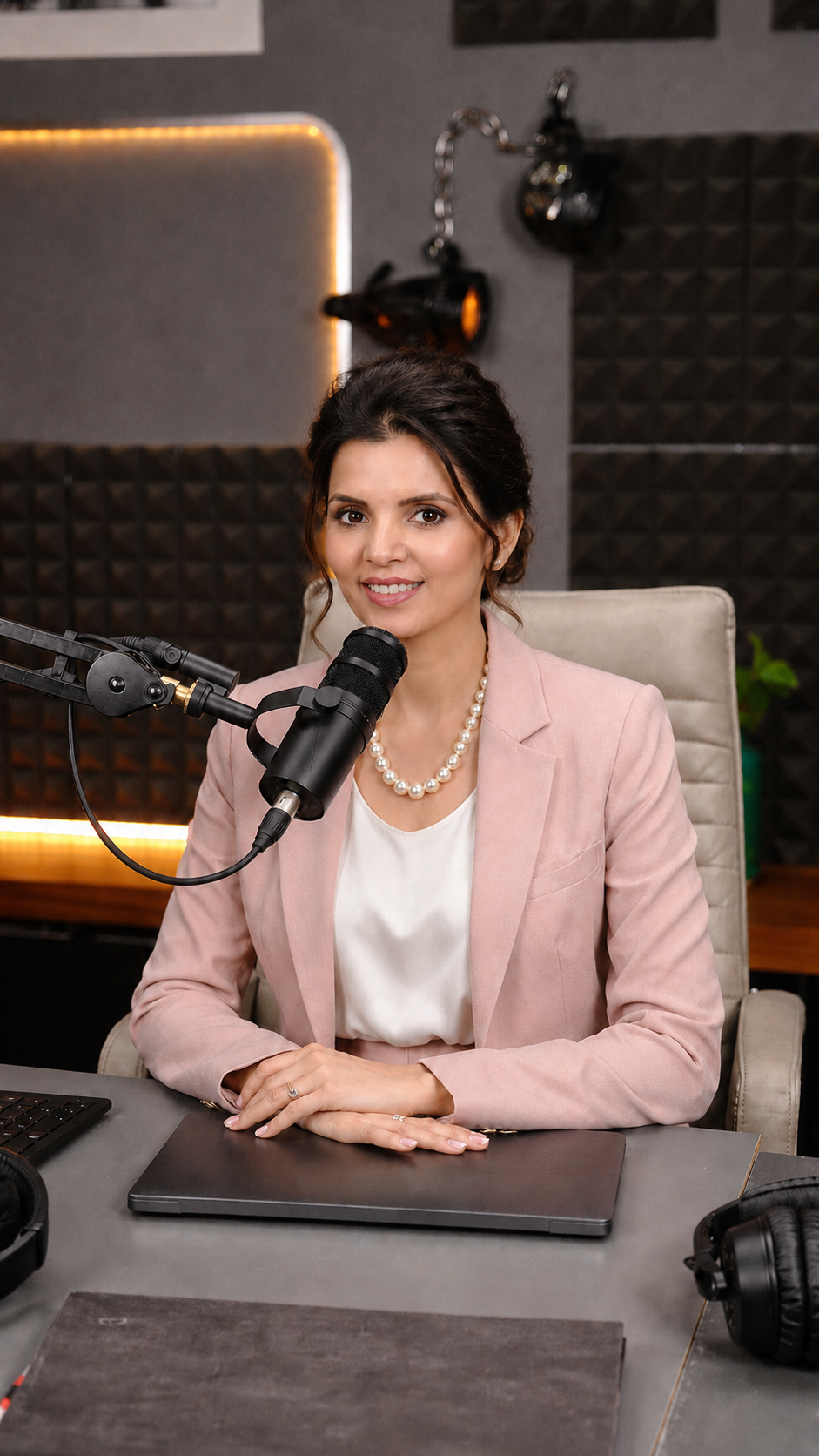
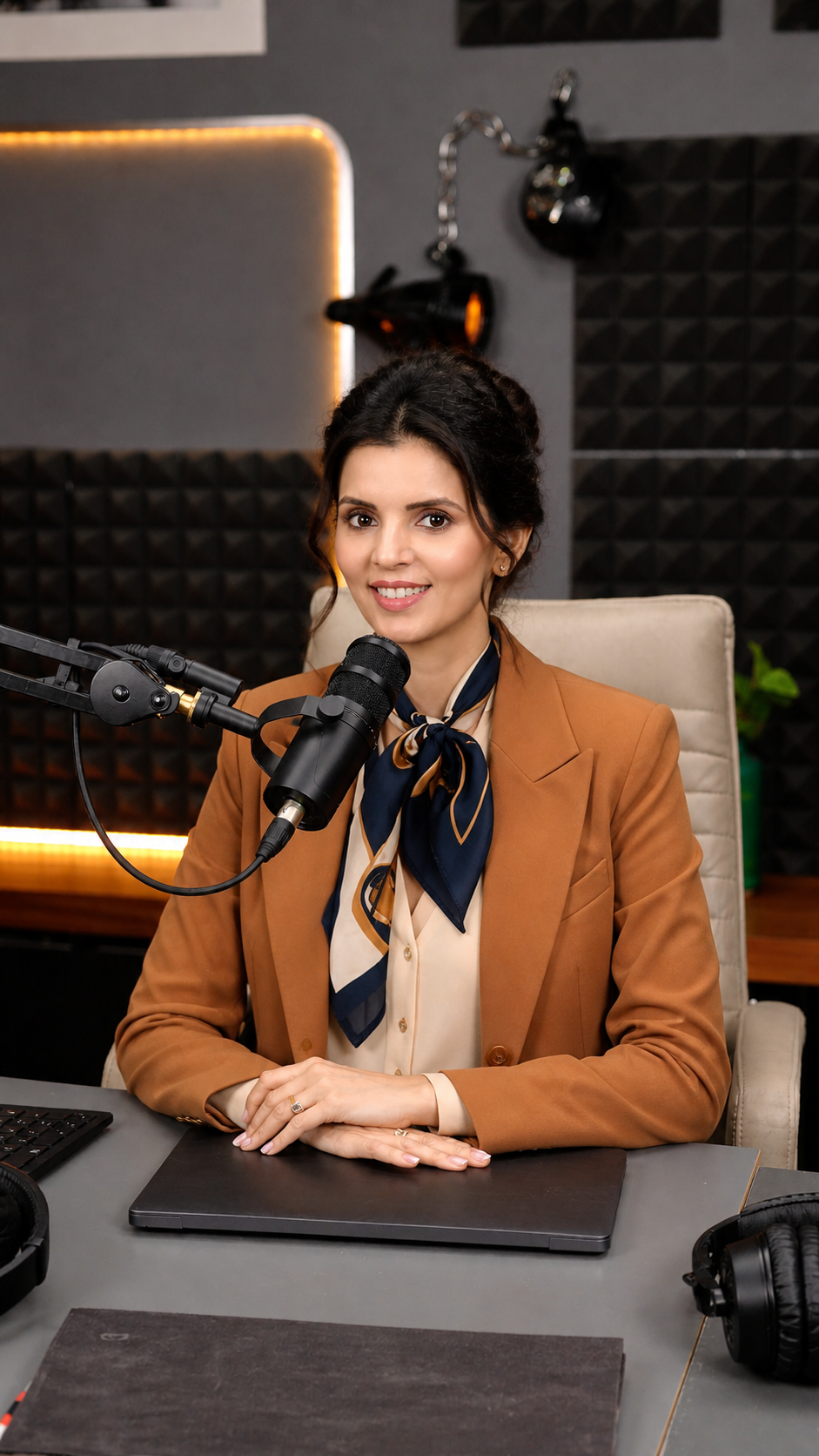
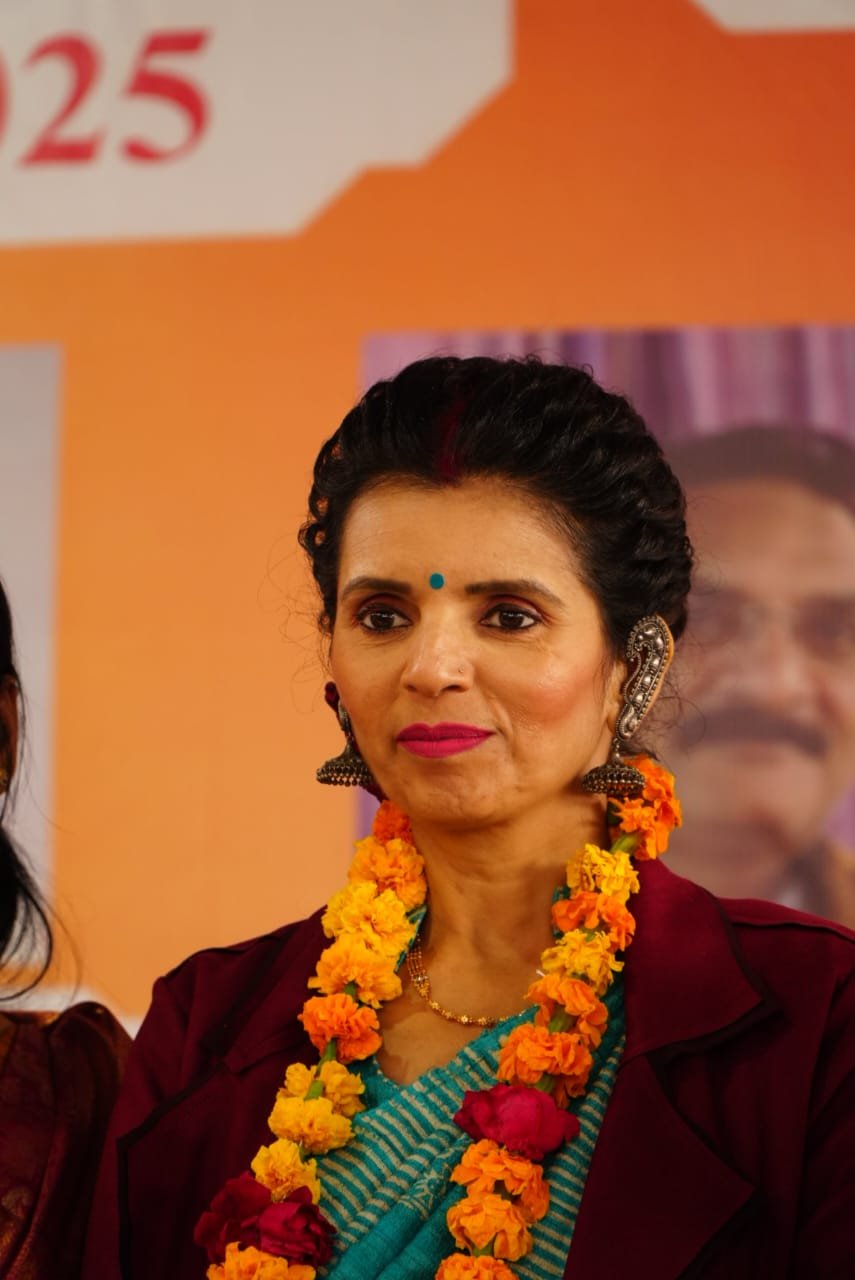
For investors, producers and industry leaders, the question is no longer whether purpose-driven cinema can make money. The past year answered that. The question now is where it is heading and who will shape it. Haripriyaa Bharggav, industrialist, film producer, and Chairperson of the Sanatan Sanskrutik Sangh, sees this moment through the lens of SSS Bharat: an India that is Samruddha (prosperous), Samarth (capable) and Sanskrutik (culturally rooted). Here are the five shifts that will define the next decade, and what they mean for those ready to act.
The State of Play: Record Revenues, Fewer Tickets
According to the Ormax Box Office Report, 2025 became the first year the Indian box office crossed ₹13,000 crore, grossing ₹13,395 crore and beating the 2023 record of ₹12,226 crore. Hindi cinema had its best-ever year at ₹5,504 crore.
Beneath the headline, the picture is more complicated. Footfalls fell 6% to 83.2 crore, and the box office relied on rising ticket prices. The average ticket price jumped 20% in a year, from ₹134 to ₹161.
Meanwhile, the centre of gravity is moving to digital. The FICCI-EY report found that digital media became the industry’s largest segment in 2025, crossing ₹1 trillion for the first time. It projects that new media will account for more than half of industry revenues by 2028.
For purpose-driven cinema, this matters. A message only creates change if it reaches people, and the ways people are reached are changing fast.
Shift 1: Rooted Stories Are Becoming the New Blockbusters
The most important signal from 2025 came from small films with strong cultural roots, not from the biggest budgets.
The Gujarati devotional drama Laalo: Krishna Sada Sahaayate was made for about ₹50 lakh and opened poorly. Its family-friendly message spread by word of mouth, and it became the first Gujarati film to cross ₹100 crore. Its success helped Gujarati cinema grow 189% in a single year, to ₹242 crore.
The devotional animated feature Mahavatar Narsimha became the first animated film, Indian or international, to cross ₹100 crore at the domestic box office. It went on to earn more than ₹300 crore worldwide and was among 35 films shortlisted in the Oscars’ animated feature category. Its producers have announced a franchise on the avatars of Lord Vishnu that runs until 2037.
Trade analysts connect this directly to the young. Komal Nahta has observed that many young Indians in the digital era read less Indian mythology, and cinema is filling that gap.
This is the gap SSS Bharat identifies as the need of the hour. Gen Z and Gen Alpha follow every global trend but often know little about their own heritage. Box office numbers now show that young audiences will choose rooted stories when those stories are told well. For investors, cultural authenticity has stopped being a niche. It is becoming a proven commercial category.
Shift 2: Access Will Decide Impact
Rising ticket prices produce good revenue figures, but they carry a risk for purpose-driven cinema. A film meant to change attitudes in small towns fails if the people it is about cannot afford to see it.
The next wave of impact cinema will need to solve for access as seriously as for content. That means single screens, community screenings, regional-language releases and pricing that reaches beyond metro multiplexes. FICCI-EY points to smartphone penetration, connected TVs and regional-language content as forces that will reshape the industry in the medium term.
This is also where the SSS Bharat vision of village development connects with cinema. The Sanatan Sanskrutik Sangh’s Total Village Development Programme works to make villages prosperous, cultured, and self-reliant. Its purpose is that people stay by choice rather than leave out of compulsion. Cinema that reaches those villages, rather than bypassing them, becomes part of that development.
Shift 3: The Mobile-First Screen and the Rise of Micro-Dramas
The fastest-growing storytelling format in 2026 is the micro-drama: vertical, serialised stories with episodes of a minute or two, built for phones. Deloitte predicts that global in-app revenue from micro-series will more than double in 2026, to US$7.8 billion.
India is part of that surge. Deloitte notes that platforms such as Zee Entertainment and Kuku FM have launched dedicated micro-drama verticals, with some reporting that daily watch time doubled. The Economic Times, citing Sensor Tower data, reported that short-drama app downloads in India jumped 403% in the first quarter of 2026.
For purpose-driven storytellers, this is a large opportunity with a real risk attached. Much of the format today runs on cliffhangers built around betrayal and melodrama. The same format, used with intent, can deliver values-based stories on family, financial discipline, environmental care, and personal resilience in short daily episodes for a young mobile audience. Whoever builds that library of meaningful short-form content first will shape the habits of a generation.
Shift 4: AI Will Scale Storytelling, but Values Must Govern It
Artificial intelligence has arrived in Indian cinema, and with it the industry’s most serious ethical debate.
In 2025, Eros re-released the Tamil version of Raanjhanaa with an AI-generated ending that let the lead character survive. Director Aanand L. Rai was not consulted and called it a betrayal. Soon after, Abundantia Entertainment and Collective Media Network announced Chiranjeevi Hanuman – The Eternal, promoted as India’s first AI-generated theatrical feature and planned for Hanuman Jayanti 2026. The producers say more than 50 engineers are working with cultural scholars and literary experts to keep the story authentic. The project still drew sharp criticism from filmmakers such as Anurag Kashyap and Vikramaditya Motwane for sidelining human creators.
The lesson for leaders is not to avoid AI. It is to anchor AI in values. The SSS Bharat philosophy is clear: embrace global progress and new tools without abandoning your roots. In practice, that means three commitments:
- AI should widen access to India’s stories, through dubbing into more languages, restoring heritage films, and lowering production costs for regional creators.
- It should never override creative consent.
- It should never replace the scholarship and sensitivity that sacred and cultural material demands.
Shift 5: Impact Will Be Measured in Four Kinds of Prosperity
The coming decade will ask purpose-driven cinema to prove its impact, not just claim it. SSS Bharat offers a useful framework. Haripriyaa Bharggav describes prosperity in four forms:
- Arthik (economic)
- Mansik (mental)
- Sharirik (physical)
- Atmik (spiritual)
Applied to cinema, this becomes a scorecard that goes beyond the box office. A film can be judged on whether it:
- created local jobs and income (arthik);
- shifted how audiences think about family, gender or community (mansik);
- improved health or hygiene behaviour (sharirik);
- reconnected viewers with meaning, identity and values (atmik).
Investors already familiar with ESG reporting will recognise the logic. Returns are strongest when they are measured across all the stakeholders a venture touches.
The SSS Bharat Model in Practice
Haripriyaa Bharggav has built her media strategy around these shifts. Her production Panch Kriti – Five Elements was filmed on location in Chanderi and released across Hindi-speaking states. It was designed specifically to reach single-screen and rural audiences, reflecting the principle that access is part of impact.
Through Ubon Vision Pvt. Ltd., her group’s media division is developing an OTT platform intended as a complete ecosystem for creating, streaming and distributing digital content. This responds directly to the digital shift the industry data describes.
Her wider work through the Sanatan Sanskrutik Sangh aims to build a cultural pipeline that cinema can draw on for decades. It includes the Vaidik Pathshala initiative, the Sanatan Song and cultural sessions for youth.
The common thread is a conviction she repeats often: strengthen the roots, and growth will follow. A generation that knows its values, in her words, will not bend in any storm.
What This Means for Investors and Industry Leaders
Back authenticity, not just scale. The breakout successes of 2025 show that rooted, well-told stories can deliver outsized returns on modest budgets.
Invest in distribution as well as production. Affordable access in small towns and villages is where purpose-driven cinema proves its value.
Build for the phone. Micro-dramas and short-form series are where younger audiences now form viewing habits. Values-led content in these formats is still underdeveloped.
Adopt AI with governance. Use technology to scale reach and reduce costs, with clear policies on creative consent and cultural accuracy.
Measure what matters. Report impact across economic, social, health and cultural outcomes, not just ticket sales.
Conclusion: The Next Chapter Belongs to Rooted Storytellers
The future of Indian cinema will not be decided by budgets alone. It will be decided by who understands that audiences, especially young ones, are looking for stories that tell them who they are. The data from 2025 shows that hunger clearly. The technology of 2026 offers new ways to answer it.
That is the opportunity SSS Bharat asks India’s capable and successful people to seize. As Haripriyaa Bharggav puts it:
“प्रत्येक सक्षम, प्रत्येक सफल, प्रत्येक सनातनी को आमंत्रण है — निष्क्रिय से सक्रिय बनो।” (Every capable person, every successful individual, every Sanatani is invited to move from passive to active.)
For industry leaders, moving from passive to active may mean backing the next rooted story, funding access for audiences who are left out, or building the platforms that carry India’s values to the world. The next chapter of Indian cinema is waiting to be written, and the question is who will write it.
To explore collaboration with Haripriyaa Bharggav’s ventures or learn more about SSS Bharat, visit the Contact page.
Frequently Asked Questions
What is purpose-driven cinema?
Commercial filmmaking designed to entertain while delivering a clear social, cultural or behavioural benefit to its audience.
Is culturally rooted cinema commercially viable in India?
Yes. In 2025, low-budget devotional and mythological films such as Laalo: Krishna Sada Sahaayate and Mahavatar Narsimha delivered some of the industry’s highest returns relative to their budgets.
Why did India’s box office grow while footfalls fell?
According to Ormax, revenue growth in 2025 came mainly from a 20% rise in average ticket prices, while total admissions fell 6%.
What are micro-dramas?
Short, vertical, serialised stories with episodes of a minute or two, made for smartphones. Deloitte predicts global in-app revenue from the format will reach US$7.8 billion in 2026.
How does SSS Bharat relate to cinema?
SSS Bharat, led by Haripriyaa Bharggav, envisions a prosperous, capable, and culturally rooted India. Cinema is one of its most powerful tools for reconnecting younger generations with Indian values while embracing modern platforms.