In recent years, cultural films have become a vital strand in India’s cinematic tapestry, marrying age-old traditions with contemporary storytelling. These films celebrate India’s diverse heritage – from local festivals and folk tales to ancient history and indigenous arts – while engaging audiences in fresh ways. The rise of streaming platforms, the success of regional industries, and international recognition have all fueled this trend. Evidence shows cultural films are not just niche art; many have become blockbusters, winning national awards and even gaining global acclaim.
This article examines what cultural cinema means, surveys current trends, highlights notable films, and analyses impacts on the industry. We also discuss how filmmakers are preserving heritage and driving social change through film, the challenges they face, and the future outlook. A summary checklist guides filmmakers and vloggers on leveraging these trends.
What Are “Cultural Films” in India?
Cultural films draw on the traditions, folklore, languages, festivals, and social values of a community or region. They often depict local rituals, historical events, family structures, and art forms, aiming to resonate with viewers’ sense of identity and pride. In India’s plural society, cultural films can encompass anything from a Kashmiri village tale to a South Indian folk legend. According to film studies, “cultural film theory” examines how movies reflect their society’s history, beliefs, and memory. Indian cinema routinely showcases the music, dance, and architecture of various regions. For example, mainstream films have portrayed festivals like Durga Puja in Devdas or kite-flying in Raees, bringing these cultural elements to wide audiences.
Cultural films go beyond mere spectacle; they deepen connection. As one scholar notes, movies can act as “living archives” of tradition – preserving costumes, customs, and even social values for viewers who may never experience them firsthand. At their best, these films foster cultural pride and inter-generational understanding. However, critics caution that cinematic portrayals may also shape stereotypes. Research shows that audiences sometimes assume onscreen images are reality, potentially cementing clichés about regions or peoples. Thus, filmmakers balance authenticity with sensitivity, striving to entertain while honouring the real-life cultures they depict.
Recent Trends and Key Drivers
Streaming and Digital Platforms
OTT services like Netflix, Amazon Prime Video and Disney+ have revolutionised distribution. With digital release, a Gujarati film can now find viewers nationwide or even internationally overnight. By 2025, OTT rights sales overtook traditional models, giving niche films global reach. A recent media analysis highlights that a regional movie from Kerala can “find a passionate audience in Punjab” on streaming platforms. This democratisation means language no longer limits a film’s impact; quality content in any language can flourish. Platforms also commission original regional films, boosting local industries.
Regional Cinema Resurgence
Forbes India reports a remarkable rise in regional film success. Regional-language films now command roughly 31% of India’s box office (up from 27%) as of FY2025. Blockbusters like a Gujarati drama or a Malayalam thriller routinely earn ₹100+ crore domestically. Industry analysts note that strong storytelling and modest budgets give regional films an edge – they often yield higher returns on investment than big-budget Hindi films. For example, Chhello Show (Gujarati, 2022) became India’s Oscar entry despite its small scale. This shift decentralizes “Bollywood,” making cinema truly pan-Indian. Urban multiplex growth in the South (40–45% of new screens) also reflects a nationwide appetite for diverse content.
Film Festivals and Global Recognition
International festivals and awards have spotlighted India’s culturally rooted films. Notable recent achievements include Anuparna Roy’s Songs of Forgotten Trees (Malayalam, 2024) winning Best Director (Orizzonti) at Venice, Payal Kapadia’s All We Imagine as Light (Hindi, 2023) winning the Cannes Grand Prix, and The Elephant Whisperers (documentary, 2023) winning an Oscar. Regionally, Tamil and Telugu cinema have gained global viewers: RRR (2022, Telugu) and Kantara (2022, Kannada) broke box office records. This trend shows the world is hungry for authentic Indian stories. As one media analyst notes, India’s cinematic “soft power” is expanding via digital platforms, enabling regionally-rooted narratives to circulate globally.
Technology and Accessibility
Advances in filmmaking technology have helped storytellers bring tradition to life with high production values. From sophisticated VFX in historical dramas to high-quality location sound in village settings, tech lowers barriers. Affordable high-speed internet and smartphone penetration mean rural audiences can also experience these films, bridging the urban-rural gap. Digital media campaigns and influencer marketing (e.g. short video teasers) further amplify cultural films to younger audiences. In short, tech and connectivity ensure that even niche cultural tales can reach and engage millions, fueling the trend.
Notable Films Across Regions
India’s cultural films span all regions and languages. Below we highlight six representative films (title, year, language, director) with their cultural focus and impact:
| Title | Year | Language | Director | Cultural Focus | Impact |
|---|---|---|---|---|---|
| RRR | 2022 | Telugu | S. S. Rajamouli | Mythic epic of two freedom fighters (Gond and Andhra tribal heroes) in 1920s India | Global box-office hit (₹1,300–1,387 cr worldwid); Oscar-winning song (“Naatu Naatu”) |
| Kantara: Chapter 1 | 2022 | Kannada | Rishab Shetty | Village folk ritual and nature worship (Kambala buffalo race, incense-sacrifice) | Record-breaking local hit (₹223.25 cr opening weekend) – third-highest Kannada grosser; celebrated for authenticity and ambience |
| Village Rockstars | 2017 | Assamese | Rima Das | Rural girl’s dream to start a rock band in Assam village | National Award for Best Film (2017); first Assamese film submitted as India’s Oscar entry |
| Last Film Show (Chhello Show) | 2021 | Gujarati | Pan Nalin | Nostalgic coming-of-age tale about boy in 1980s Gujarat who loves single-screen cinema | India’s official Oscar entry (95th Academy Awards shortlist); praised for celebrating single-screen heritage |
| Tumbbad | 2018 | Hindi | Rahi Anil Barve & Anand Gandhi | Folk horror rooted in Maharashtra’s deity-myth (goddess Hastar) | Premiered at Venice Film Festival (critics’ section); cult status, often cited as India’s best Hindi horror (multiple Filmfare wins) |
| Jallikattu | 2019 | Malayalam | Lijo Jose Pellissery | High-octane village bull-taming festival tradition in Kerala | India’s official Oscar entry (93rd Academy Awards); won Best Director at IFFI; acclaimed as a defining New Wave Malayalam film |
Each film has connected local colour to universally engaging storytelling. For instance, RRR fictionalises historical icons for mass audiences, while Village Rockstars uses non-professional actors to authentically capture village life. These examples (from North to South, East to West) show cultural films can be arthouse or mainstream – and often both.
Box Office and Industry Impact
Box-Office Success
As noted, regional cultural films are driving up the industry’s earnings. In FY2025, regional-language films rose to 31% of India’s gross collections. Kantara shattered Kannada records on a modest budget. RRR and Baahubali redefined what “Indian blockbuster” meant globally. Moreover, smaller cultural films have surprised analysts by opening evenly or better than some big Hindi releases. For example, Gujarati Laalo: Krishnasho Sahayate (2025) crossed ₹100 cr domestically – unheard of a few years ago. Such figures show that a compelling cultural story can compete with any big-budget film at the box office.
Awards and Distribution
Cultural films often collect prestigious awards, boosting their profile. Beyond national awards (Filmfare, National Awards, etc.), they now win at Cannes, Venice, Oscars shortlist, etc. This award’s attention facilitates wider distribution: a festival prize can secure releases in new territories or deal with streaming platforms. For instance, after its Cannes win, All We Imagine as Light saw interest from multiple international distributors. Likewise, a strong showing in New York or Toronto often leads to Netflix/Prime pickups in those regions. Critics and festival buzz can thus amplify a film’s audience, sometimes far beyond its cultural niche.
Changing Business Models
The rise of cultural content influences filmmaking economics. Regional producers note they can make 5–7 films for the cost of one mid-range Bollywood project. With lower actor fees and subsidies (up to ₹75 lakh in some states), risk is managed. Many regional films rely on word-of-mouth and repeat viewings rather than star-driven opening weekends. Marketers and streaming platforms alike now emphasise these stories in their pipelines. In short, cultural films are reshaping budgets, marketing, and distribution models across the industry.
Preserving Heritage and Fostering Social Change
Heritage on Screen
Through vivid visuals, cultural films archive endangered traditions. A movie can immortalise a nearly lost dance form, dialect, or craft. For example, filmmakers have spotlighted indigenous art (e.g. Gond painting), tribal music, and rural landscapes that many urban viewers know only from books. The visual dramatisation of a puja, a rural wedding, or artisan workshop educates audiences and renews pride in local culture. Critics of film call such works a “common expressive culture” of tradition. By weaving heritage into narratives, movies can even inspire community efforts to revive those traditions.
Social Themes through Tradition
Many cultural films use historical or rural settings to comment on modern issues. Dangal (though Hindi) used the backdrop of family and sport in rural Haryana to discuss gender equality and women’s empowerment. Article 15 and Soorarai Pottru tackled caste and ambition via their cultural frames. A sociological analysis observes that Indian cinema often addresses topics like women’s roles, caste, and minority rights through culturally-rooted stories. In doing so, they open conversations that resonate in both traditional and contemporary contexts. For instance, Village Rockstars subtly highlighted access to education and childhood resilience, while Chhello Show mourned the decline of single-screen theatres – a cultural shift itself.
Case Studies
Peethikadu (Road) and #SelfieShankar (Web) show how integrating local folklore and modern themes can succeed (e.g., these OTT hits).
Newton (2017) – though a satirical Hindi film, it pictured India’s rural democracy machinery with authenticity, helping audiences understand polling issues through a cultural lens.
Kantara built an entire mythos around a temple deity and jungle worship, bringing Karnataka tribal rituals to global viewers while sparking interest in folk customs.
In sum, cultural films often do more than entertain; they educate and inspire. They can instil pride, stimulate cultural tourism (as Devdas did for Kolkata’s Durga Puja), and even influence policy interest in heritage. As cinema theorists note, film is “not created in isolation but inhabits a common expressive culture”– a responsibility filmmakers can use for positive social change.
Challenges and Criticisms
Market Stereotypes: Even as they preserve culture, such films risk reinforcing clichés. If a movie portrays one community solely in terms of a stereotype (poverty, superstition, etc.), it can skew audience perceptions. Scholars warn that viewers may “assume that whatever is in movies is true and real,” potentially hardening prejudices. Filmmakers must navigate between authenticity and sensitivity to avoid cultural clichés or caricatures.
Niche vs. Mass Appeal: Not all culturally rich stories find broad audiences. Some festival favourites struggle commercially if marketing or distribution is weak. For instance, a Malayalam folklore film may not initially attract non-Malayalam speakers. They often rely on subtitles and festival momentum. Without strategic promotion (subtitles, dubbing, cross-market marketing), cultural films can remain regional footnotes despite quality.
Funding and Scale: Large investments are often cautious. Producers may ask: “Will international or non-local audiences pay for this?” This can limit budgets. Regional films sometimes lack the glamorous trappings of big Bollywood, making them hard to sell to mainstream outlets. Also, political sensitivities can constrain narratives (e.g., government permits for certain historical topics). A film about communal harmony or tribal land rights might face censorship or protests if mishandled.
Changing Audience Tastes: Young viewers are globally savvy and may prefer cosmopolitan narratives over traditional ones. A film steeped in local custom has to balance heritage with story elements that resonate universally (friendship, love, conflict). Finding that balance is a creative challenge.
In short, making a cultural film demands deep research and thoughtful storytelling. The most successful projects handle tradition with both reverence and a fresh perspective, ensuring the story feels relevant today. When done well, the payoff is seen in awards, box office, and lasting impact.
Future Outlook and Takeaways
The momentum of cultural cinema shows no sign of slowing. On the horizon, expect more cross-pollination of regional stories with mainstream appeal.
- Embrace Hybrid Narratives: Future cultural films may blend genres (e.g. mythic sci-fi, historical thrillers) to attract broader audiences. Advanced VFX could recreate historical settings (e.g. 3D temples) more convincingly.
- Leverage Transmedia: Stories may expand into web series, graphic novels or gaming, allowing deeper engagement with culture beyond one film.
- Focus on Talent Development: As the demand for cultural content grows, more writers and directors from diverse regions will get support, and film schools may specialise in ethnographic filmmaking.
- Global Collaborations: Co-productions with international studios (as seen with some UNESCO-backed heritage projects) could provide bigger budgets while sharing India’s culture globally.
Actionable Tips for Filmmakers and Vloggers
- Deep Research:Study local history, folklore, and languages authentically. Consulting cultural experts (historians, anthropologists) can enrich scripts and prevent misrepresentation.
- Universal Themes: Anchor the local story in universal human emotions (love, family, sacrifice) so it resonates across cultures.
- Collaboration: Work with regional artists – local musicians, choreographers, artisans – to add authenticity. Festivals or NGOs focused on heritage can also offer support or co-production opportunities.
- Quality Production: Allocate resources to high production values (cinematography, sound, VFX) so the cultural elements look polished. Quality attracts wider audiences and reviewers.
- Promotion Strategy: Use subtitles in multiple languages, partner with OTT platforms to reach outside your region, and market the film’s unique cultural angle through social media (e.g. behind-the-scenes of tradition). Engaging trailers that highlight cultural beauty can intrigue global viewers.
By following these practices, content creators can craft cultural films or vlogs that educate, entertain, and succeed both at home and abroad.
Timeline: Cultural Cinema Milestones (2000–2026)
| Year | Film / Milestone | Significance |
| 2001 | Lagaan (Hindi) | Received an Academy Award nomination for Best Foreign Language Film, bringing international attention to Indian cinema. |
| 2017 | Village Rockstars (Assamese) | Won the National Film Award for Best Feature Film and became India’s official Oscar entry. |
| 2018 | Tumbbad (Hindi) | Acclaimed for blending Indian folklore with horror and gaining international festival recognition. |
| 2019 | Jallikattu (Malayalam) | Celebrated Kerala’s cultural traditions and selected as India’s official Oscar entry. |
| 2022 | RRR (Telugu) | Achieved global success and won an Academy Award for the song “Naatu Naatu.” |
| 2022 | Kantara (Kannada) | Celebrated for its authentic portrayal of Karnataka’s folk traditions and became a major box-office success. |
| 2024 | All We Imagine as Light (Hindi) | Won the Grand Prix at the Cannes Film Festival, earning global recognition for contemporary Indian cinema. |
| 2025 | Songs of Forgotten Trees (Malayalam) | Recognized at international film festivals for its culturally rooted storytelling and artistic direction. |
Conclusion
Cultural films have evolved into one of the most influential forces shaping modern Indian cinema. By celebrating regional identities, preserving heritage, and addressing contemporary social issues, these films bridge the gap between tradition and modern storytelling. As OTT platforms, international film festivals, and regional industries continue to expand their reach, culturally rooted narratives are finding audiences far beyond their places of origin.
The future of Indian cinema lies in authentic stories that reflect the country’s rich diversity while connecting with universal human emotions. For filmmakers, creators, and cultural enthusiasts, this presents an opportunity to preserve traditions, inspire meaningful conversations, and showcase India’s heritage on a global stage.
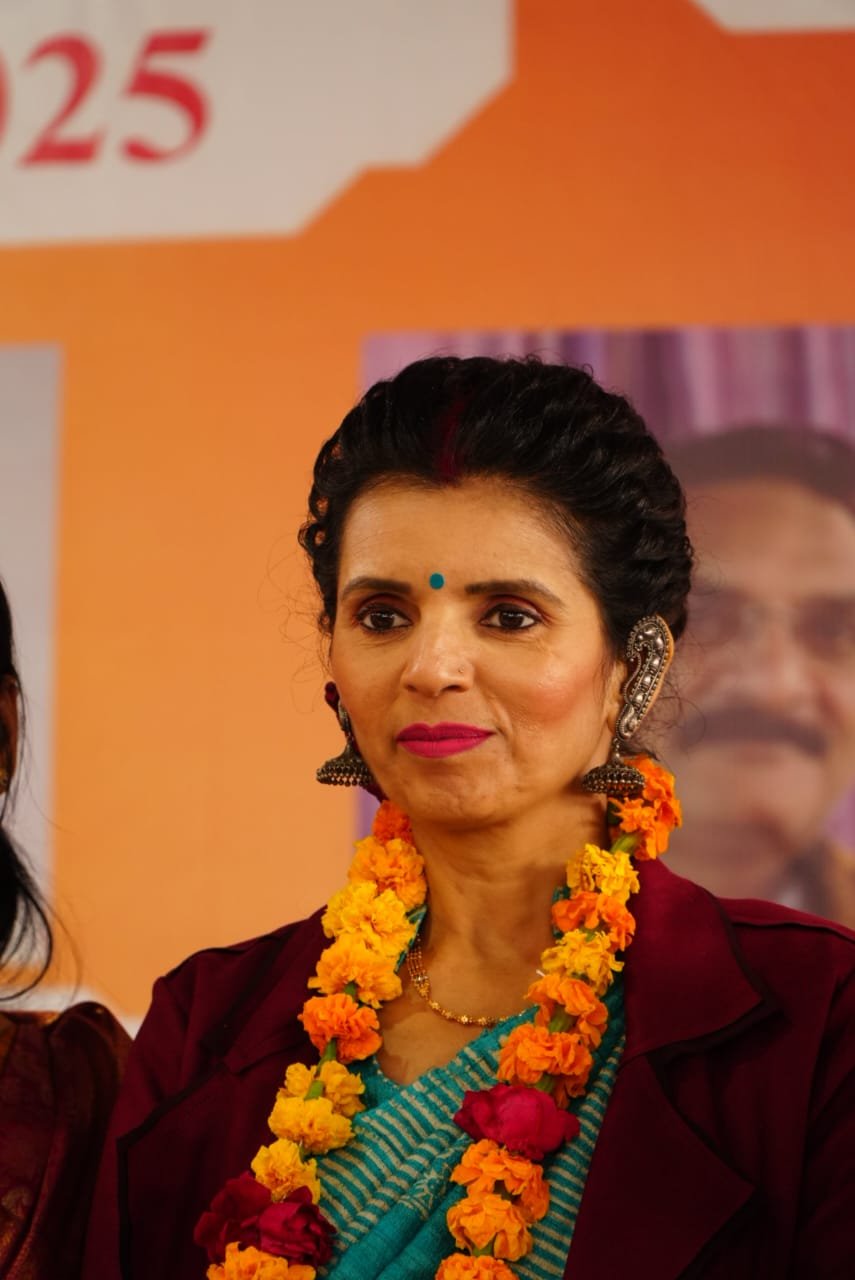
As Haripriyaa Bharggav believes, culture is not merely a reflection of the past, it is a living force that inspires creativity, strengthens identity, and shapes the future. The growing success of cultural cinema demonstrates that stories rooted in heritage can continue to resonate across generations and borders.
Frequently Asked Questions
Q: What exactly qualifies as a “cultural film” in India?
A: A cultural film emphasizes a particular community’s heritage. This could mean telling stories of a specific region’s history, depicting local festivals, mythologies, or daily life, or using a regional language/dialogue authentically. The key is grounding the narrative in cultural context – for example, a Kannada movie about ancient temple rituals, or a Bengali film about Durga Puja celebrations are both cultural films. Scholarly definitions align with this: cultural film theory focuses on how cinema “reflect[s] the culture in which they are made”.
Q: How have OTT streaming services affected cultural films?
A: Dramatically. Streaming bypasses traditional theatrical gatekeepers, so even niche films can find audiences across India and globally. As reported, OTT has “democratized access” – a Malayalam or Marathi film can easily reach viewers nationwide. This encourages producers to make culturally rich content, knowing it can find an audience beyond its home region. Additionally, many OTT platforms now fund original regional content, further boosting the creation and visibility of cultural stories.
Q: What are common challenges in making cultural films?
A: Filmmakers face budget and market constraints. Regions have fewer big stars, so they often work with modest budgets. There’s a risk that city audiences might overlook a culturally specific story. Also, there’s a fine line between authentic portrayal and romanticizing/trivializing traditions. For example, if not careful, a film could inadvertently reinforce stereotypes (as critics note, people can “assume movie depictions are reality,” reinforcing clichés). Ensuring historical or cultural accuracy can also be challenging due to limited documentation. Finally, promotion requires strategic planning (festivals, subtitles, marketing) to reach wider audiences.