
In every thriving society, there are individuals and organizations that look beyond personal success and dedicate themselves to the betterment of others. Their contributions often become the foundation upon which stronger, healthier, and more prosperous communities are built. This spirit of giving, service, and social responsibility is known as philanthropy.
Throughout history, philanthropy has played a crucial role in shaping civilizations, supporting vulnerable populations, promoting education, improving healthcare, and fostering social harmony. In modern India, where rapid economic growth exists alongside social challenges, philanthropy has become more important than ever.
Today, philanthropy is no longer limited to charitable donations. It has evolved into a strategic approach to community development and social welfare that creates sustainable and long-lasting impact.
As an entrepreneur and social leader, I firmly believe that true success is measured not only by wealth creation but also by the positive difference we make in the lives of others. Philanthropy has the power to transform communities, empower individuals, and contribute to nation-building in meaningful ways.
Understanding Philanthropy
Philanthropy is the voluntary act of contributing resources, time, knowledge, skills, or financial support to improve society and enhance human well-being.
The word originates from the Greek concept of “love for humanity.” However, modern philanthropy extends beyond compassion. It focuses on creating lasting solutions to social challenges rather than providing temporary relief.
Philanthropy can take many forms:
- Financial donations
- Educational support
- Healthcare initiatives
- Community development programs
- Environmental conservation efforts
- Skill development projects
- Mentorship and leadership programs
- Social entrepreneurship support
At its core, philanthropy seeks to create opportunities, strengthen communities, and improve quality of life.
Why Community Development Matters
Strong communities form the backbone of a strong nation.
Community development focuses on improving social, economic, educational, cultural, and environmental conditions so that individuals can lead healthier, more productive, and fulfilling lives.
Communities thrive when they have:
- Access to quality education
- Affordable healthcare
- Economic opportunities
- Safe environments
- Social inclusion
- Sustainable infrastructure
- Empowered leadership
However, many communities continue to face challenges related to poverty, unemployment, inequality, limited access to resources, and social exclusion.
Philanthropy helps bridge these gaps by mobilizing resources and creating sustainable pathways for development.
Philanthropy as a Catalyst for Social Change
Meaningful social change often begins when individuals choose to take responsibility for improving society.
Philanthropy serves as a catalyst by:
- Identifying Critical Needs: Philanthropic initiatives often focus on areas that require immediate attention, including education, healthcare, women’s welfare, and rural development.
- Supporting Innovation: Many groundbreaking social solutions begin through philanthropic support before becoming scalable models.
- Empowering Communities: Rather than creating dependency, effective philanthropy empowers people to become self-reliant and resilient.
- Encouraging Participation: Successful community development occurs when local people actively participate in shaping solutions.
By addressing root causes rather than symptoms, philanthropy contributes to lasting transformation.
Education: The Foundation of Community Development
Education remains one of the most powerful tools for social progress.
Communities with access to quality education experience:
- Higher employment rates
- Improved health outcomes
- Greater economic opportunities
- Enhanced social mobility
- Stronger civic participation
Philanthropic efforts in education often include:
Scholarships and Financial Assistance
Many deserving students lack access to educational opportunities due to financial constraints.
Scholarship programs help talented individuals pursue their aspirations and contribute meaningfully to society.
School Infrastructure Development: Improving classrooms, libraries, laboratories, and digital learning facilities enhances educational quality.
Skill Development Programs: Vocational training prepares young people for modern workforce demands and entrepreneurship opportunities.
Digital Education Initiatives: Technology-driven learning solutions help bridge educational gaps, particularly in underserved communities.
Investing in education creates long-term benefits that extend across generations.
Strengthening Healthcare Through Philanthropy
Healthcare is fundamental to human well-being and community prosperity.
Yet many communities continue to face challenges related to healthcare accessibility, affordability, and awareness.
Philanthropy plays a critical role in:
Expanding Medical Access
Healthcare facilities, mobile clinics, and outreach programs help underserved populations receive essential services.
Preventive Healthcare
Awareness campaigns promote healthy lifestyles and disease prevention.
Maternal and Child Health
Specialized initiatives support women and children during critical stages of life.
Medical Infrastructure
Philanthropic contributions often fund hospitals, diagnostic centers, equipment, and healthcare technology.
Healthy communities are more productive, resilient, and capable of contributing to broader social development.
Women Empowerment and Social Welfare
No society can achieve sustainable progress without empowering women.
Women contribute significantly to family welfare, education, economic growth, and community development.
Philanthropic initiatives focused on women often support:
- Education and literacy
- Skill development
- Entrepreneurship training
- Financial inclusion
- Leadership development
- Women Leadership in Business
- Healthcare access
When women gain opportunities and resources, the benefits extend throughout entire communities.
Research consistently demonstrates that women invest significantly in education, health, and family welfare, creating positive ripple effects across generations.
Empowering women is not only a social responsibility, it is a development imperative.
Supporting Rural Development Through Philanthropy
India’s rural communities play a vital role in agriculture, culture, and economic growth.
However, many rural regions continue to face challenges related to infrastructure, employment, education, and healthcare.
Philanthropy contributes to rural development by supporting:
- Livelihood Generation: Skill and entrepreneurship programs create sustainable incomes through Social Impact Entrepreneurship, combining livelihood with social change.
- Agricultural Development: Training, technology, and market access help improve productivity and farmer incomes.
- Infrastructure Projects: Community facilities, sanitation systems, water management solutions, and renewable energy projects improve quality of life.
- Capacity Building: Training local leaders strengthens community self-governance and long-term development.
Rural development initiatives help reduce inequality and promote inclusive growth.
Environmental Sustainability and Community Welfare
Environmental well-being is closely connected to human welfare.
Communities depend on clean air, water, fertile land, and healthy ecosystems for survival and prosperity.
Many philanthropic initiatives focus on:
- Tree plantation drives
- Water conservation projects
- Renewable energy adoption
- Waste management programs
- Biodiversity protection
- Sustainable agriculture
Environmental stewardship ensures that future generations inherit a healthier and more sustainable world.
Responsible philanthropy recognizes the importance of balancing development with ecological preservation.
Corporate Philanthropy and Social Responsibility
Modern businesses increasingly recognize their role in contributing to society.
Corporate philanthropy has evolved from charitable giving to strategic community investment.
Organizations now support:
- Educational programs
- Healthcare initiatives
- Environmental sustainability
- Skill development
- Women empowerment
- Community welfare projects
Businesses that prioritize social responsibility often build stronger stakeholder relationships, enhance public trust, and contribute positively to societal progress.
Successful enterprises understand that long-term growth is linked to the well-being of the communities they serve.
The Importance of Leadership in Philanthropy
Effective philanthropy requires more than financial resources.
It requires visionary leadership.
Successful philanthropic leaders demonstrate:
- Compassion: Understanding community needs and challenges.
- Strategic Thinking: Designing sustainable solutions with measurable impact.
- Collaboration: Building partnerships across sectors and stakeholders.
- Accountability: Ensuring transparency and responsible resource utilization.
- Long-Term Commitment: Creating lasting change rather than short-term interventions.
Strong leadership transforms philanthropic efforts into meaningful social impact.
Community Participation: The Key to Sustainable Impact
One of the most important principles of successful philanthropy is community participation.
Communities should not be passive recipients of assistance.
Instead, they should become active partners in development initiatives.
Participatory approaches:
- Build local ownership
- Increase sustainability
- Improve effectiveness
- Strengthen trust
- Foster leadership
When people contribute to shaping solutions, they become invested in maintaining and expanding positive outcomes.
Community-driven development creates stronger and more resilient societies.
Technology and Modern Philanthropy
Technology has revolutionized the philanthropic landscape.
Digital tools enable organizations and individuals to:
- Reach wider audiences
- Mobilize resources efficiently
- Monitor project outcomes
- Enhance transparency
- Deliver services remotely
Modern philanthropy increasingly utilizes:
- Online fundraising platforms
- Digital education systems
- Telemedicine services
- Data-driven impact measurement
- Community engagement technologies
In the same way, Indian Cinema and Social Change also play a powerful role in spreading awareness and influencing public thinking, while technology enhances efficiency and expands the reach and effectiveness of social initiatives.
Measuring Social Impact
Today’s philanthropic efforts emphasize measurable outcomes rather than simply tracking activities.
Impact assessment helps answer important questions:
- How many lives were improved?
- What changes occurred within communities?
- Were objectives achieved?
- Can successful models be replicated?
Effective measurement ensures accountability and continuous improvement.
It also helps organizations allocate resources more effectively and maximize positive impact.
The Future of Philanthropy in India
India is entering an exciting era of social innovation and community development.
Several trends are shaping the future of philanthropy:
- Strategic Giving: Donors increasingly focus on measurable and sustainable impact.
- Collaborative Partnerships: Governments, businesses, nonprofits, and communities are working together more effectively.
- Social Entrepreneurship: Innovative enterprises are combining profit with purpose.
- Youth Engagement: Young leaders are becoming active participants in social change.
- Technology Integration: Digital tools are expanding the reach of philanthropic initiatives.
- Sustainable Development Goals: Global development priorities are influencing local action and investment.
These trends indicate a future where philanthropy becomes even more impactful and transformative.
A Personal Reflection
Throughout my journey as an entrepreneur and social advocate, I have come to understand that meaningful success extends beyond business achievements.
The true measure of leadership lies in our ability to uplift others, create opportunities, and contribute to the greater good.
Philanthropy is not solely about giving resources.
It is about creating hope.
It is about empowering individuals to realize their potential.
It is about building stronger communities and a more inclusive society.
Every act of service, no matter how small, has the potential to create lasting impact.
When combined with vision, commitment, and collaboration, philanthropy becomes a powerful force for nation-building.
Conclusion
The role of philanthropy in community development and welfare is both profound and transformative. By supporting education, healthcare, women empowerment, rural development, environmental sustainability, and social innovation, philanthropy creates meaningful opportunities for individuals and communities to thrive.
As India continues its journey toward greater prosperity and inclusion, philanthropy will remain a vital pillar of social progress.
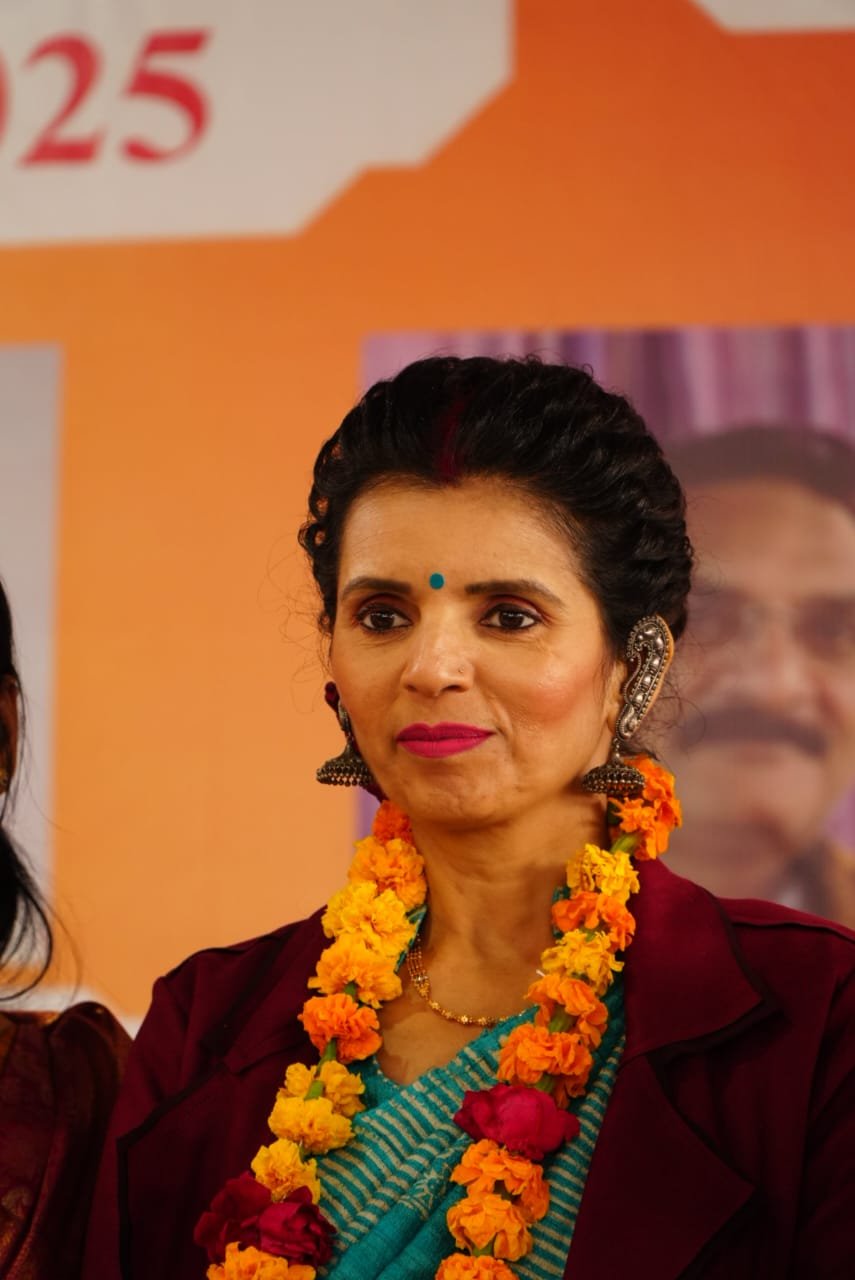
For me, Haripriyaa Bharggav, the true essence of leadership lies in understanding that success is not only about what we achieve for ourselves but also about what we contribute to society.
Through compassion, responsibility, and collective action, philanthropy has the power to build stronger communities, improve lives, and create a brighter and more inclusive future for generations to come.










1 Comment
Community Development & Economic Empowerment | SSS Model
[…] a community with strong bonds can generate, protect, and multiply economic opportunity from within. Community development, in this model, is the infrastructure. Economic empowerment is what runs on […]